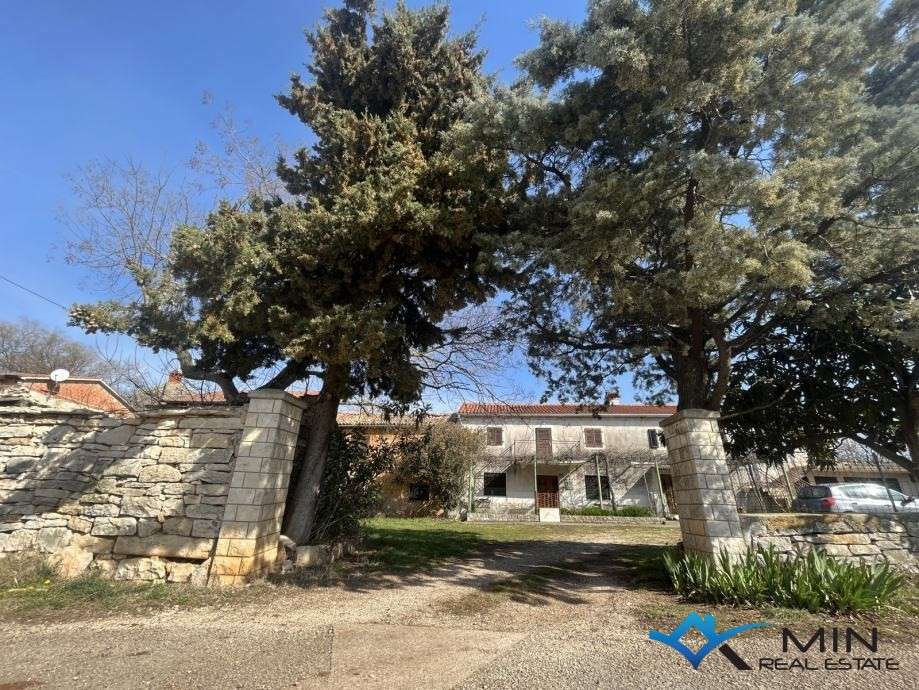
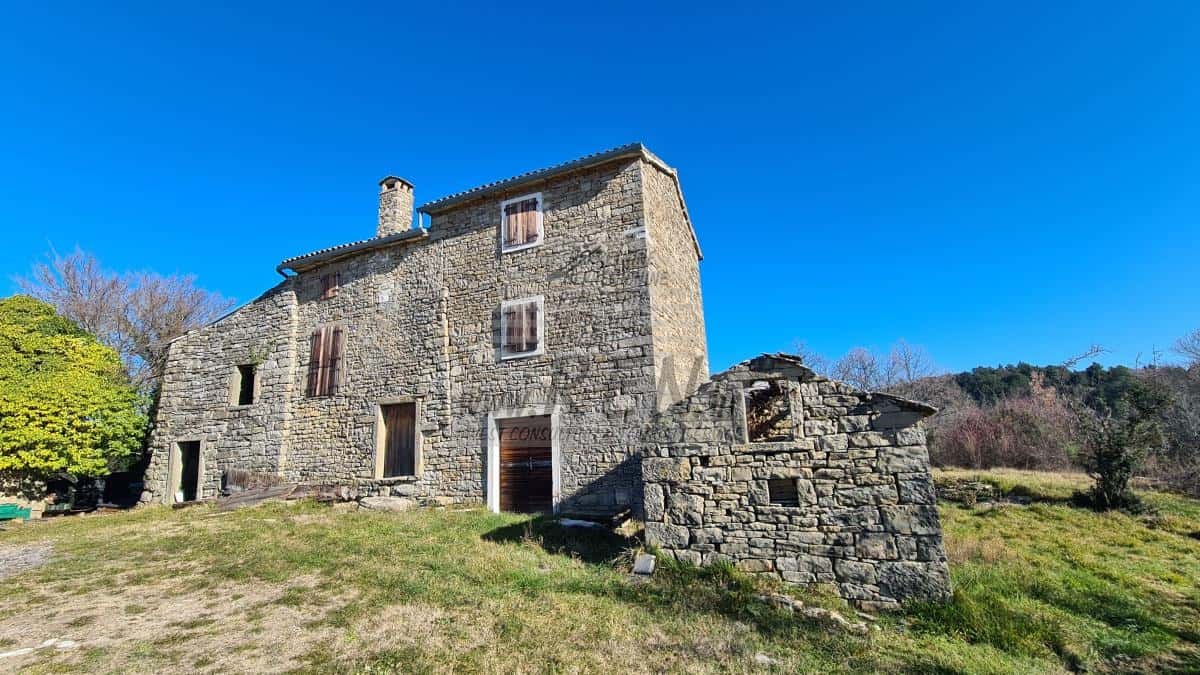
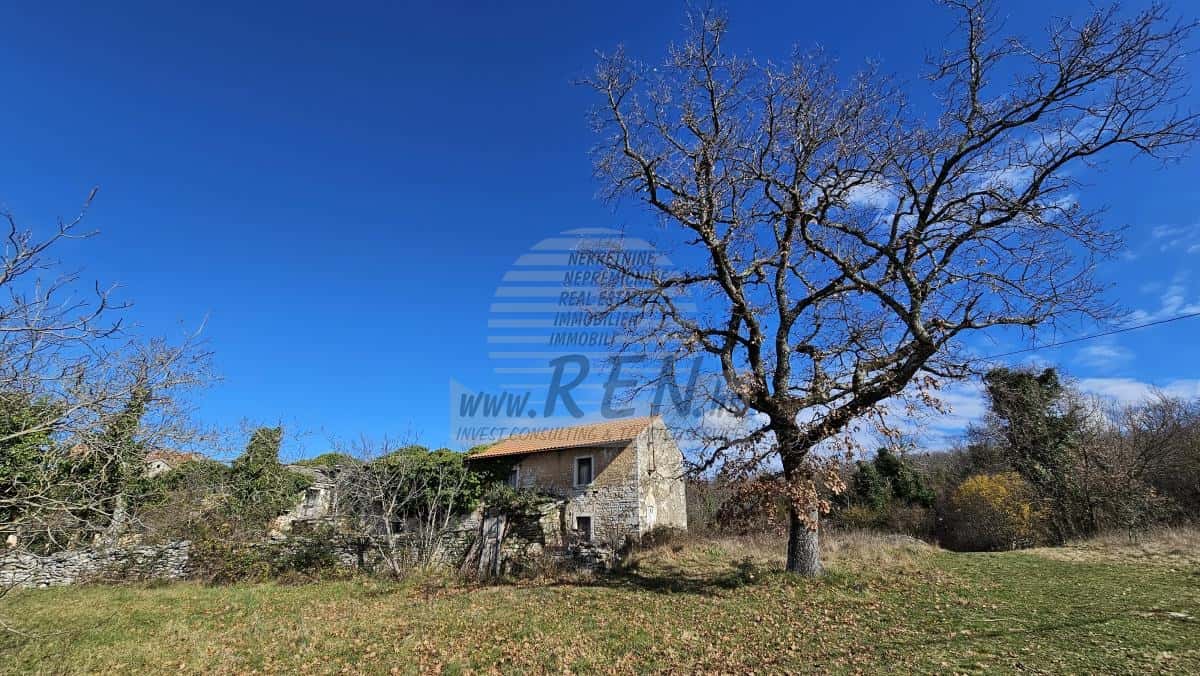
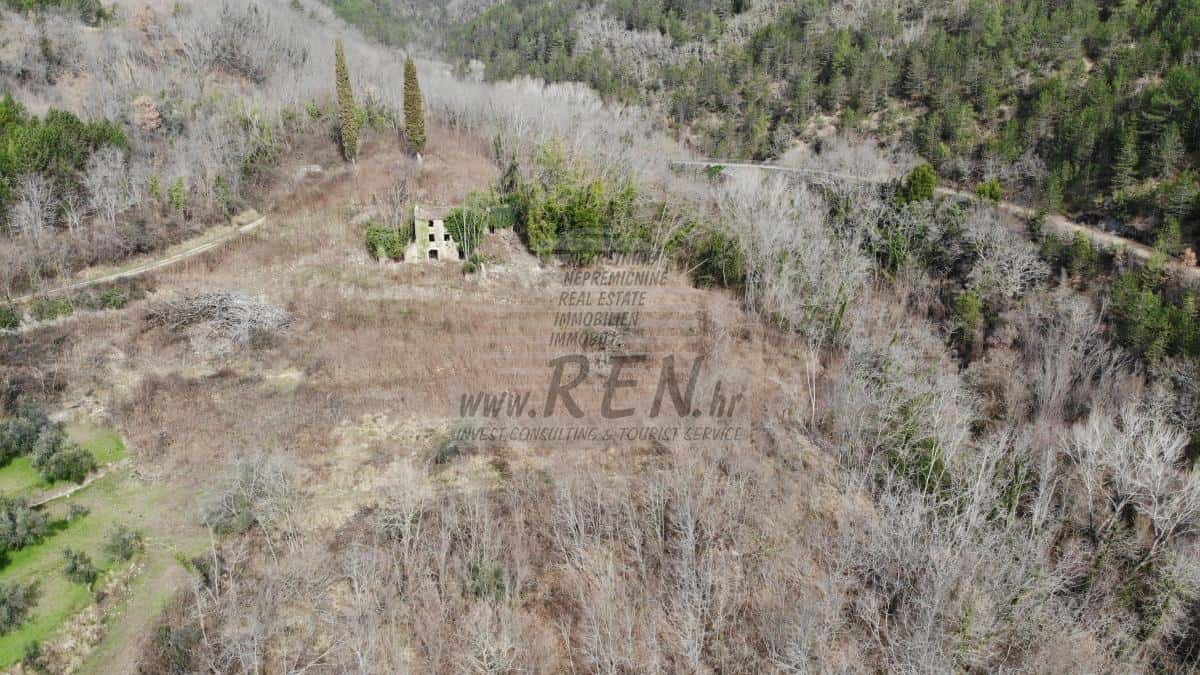
Old family estate for renovation in Plovania
Buje
350 m² Building area
€320,000

Houses
15 properties found in Buje, prices from 180,000 €
Buje
€320,000
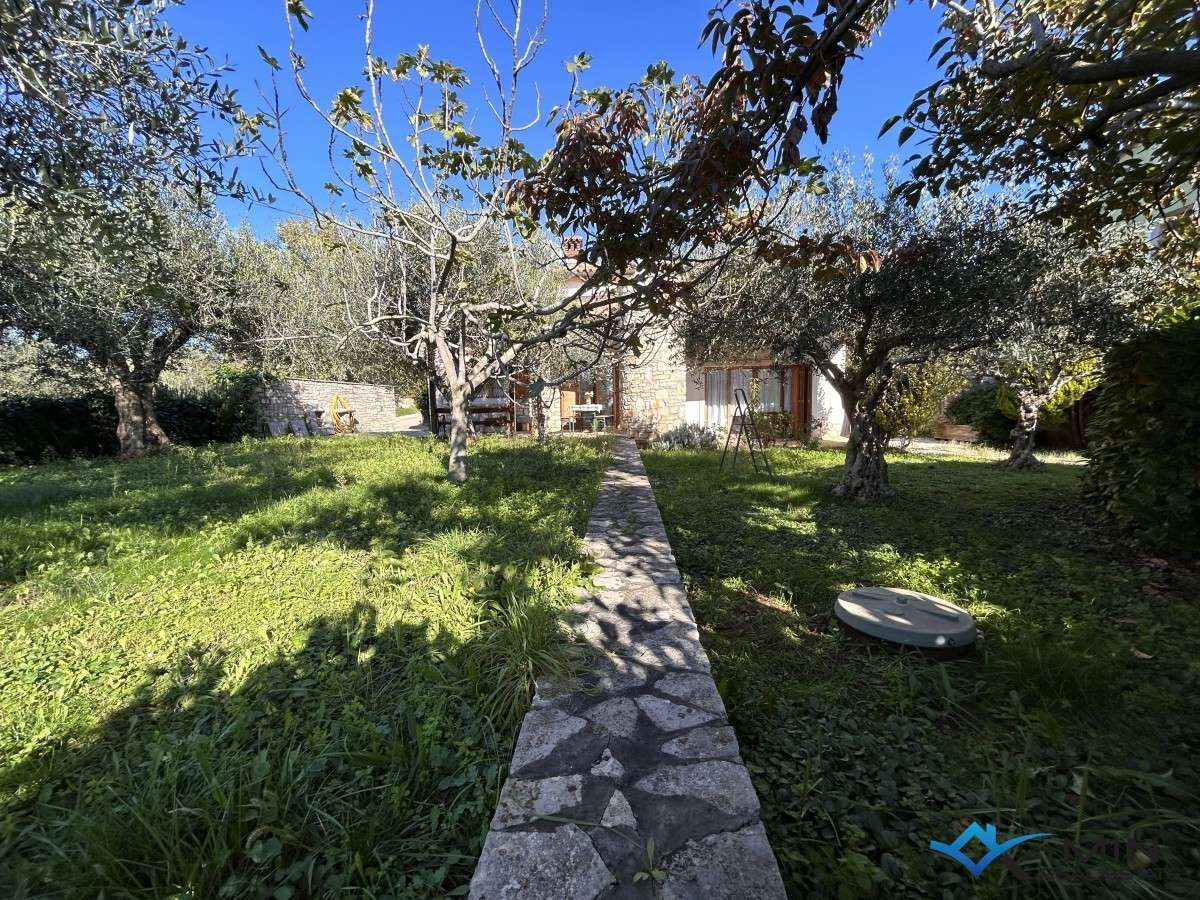
Buje
€425,000
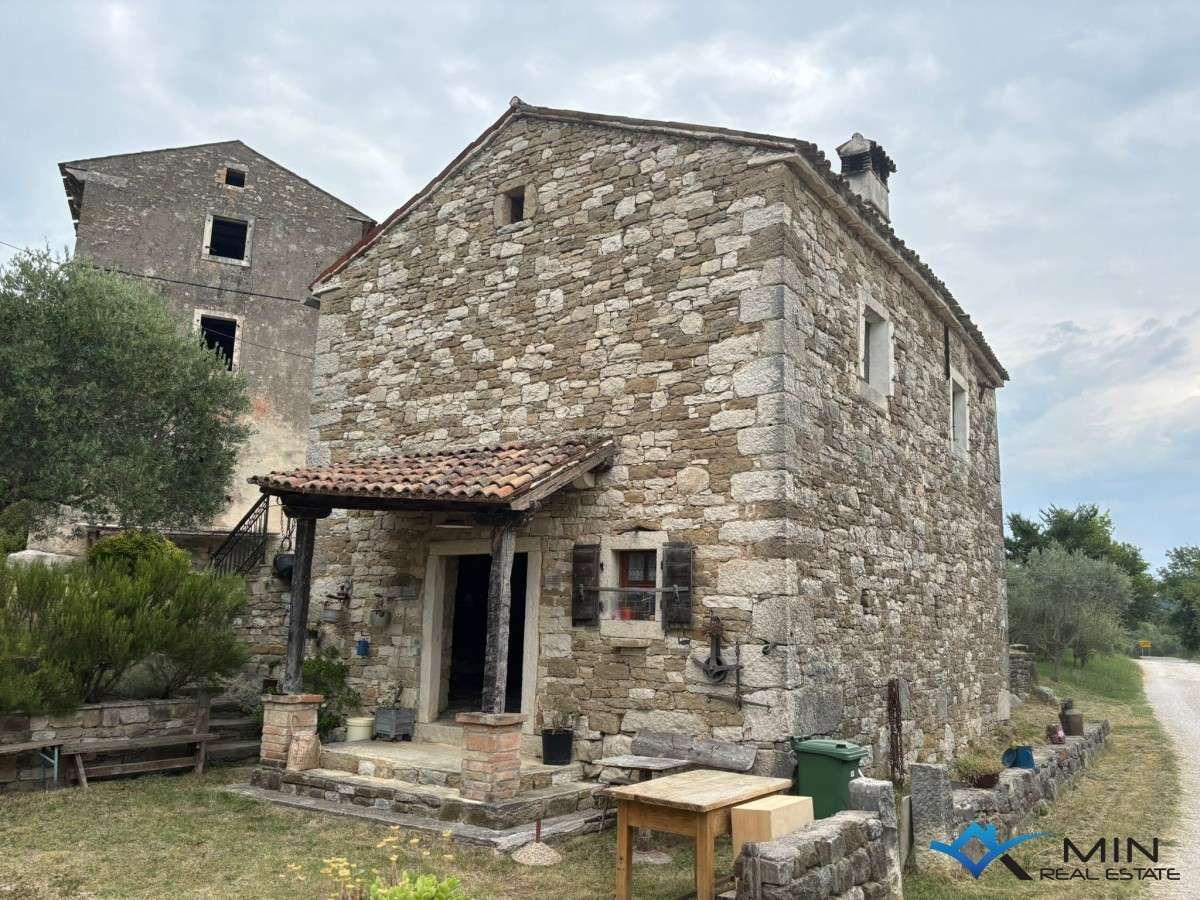
Buje
€240,000
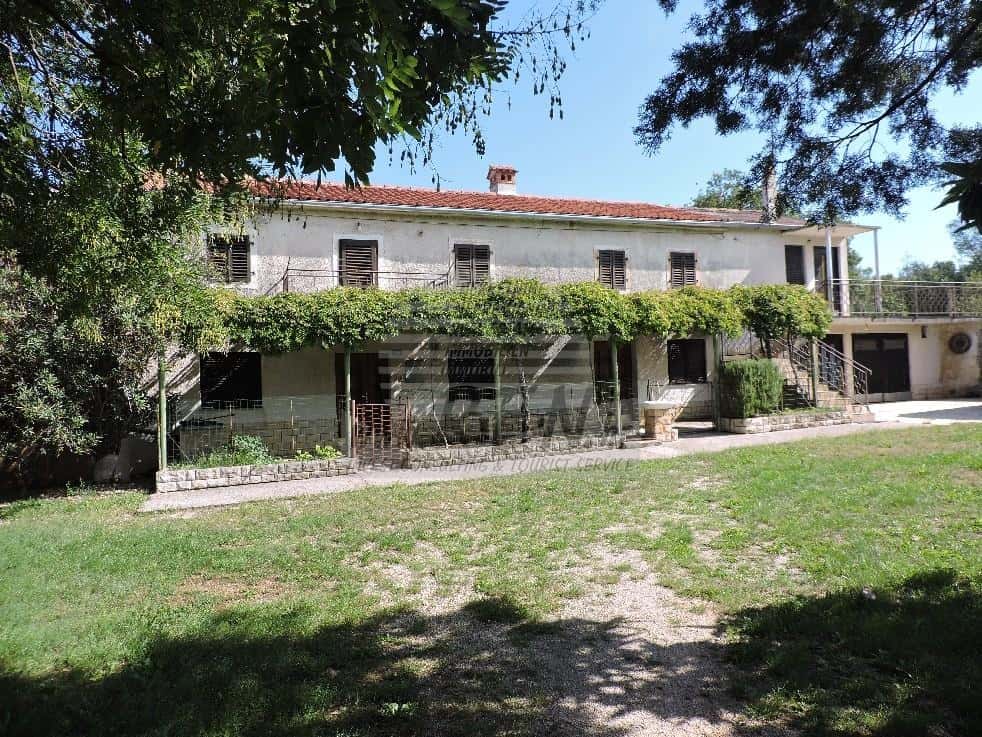
Buje
€319,000

Buje
€275,000
Buje
€180,000
Buje
€490,000
Buje
€350,000
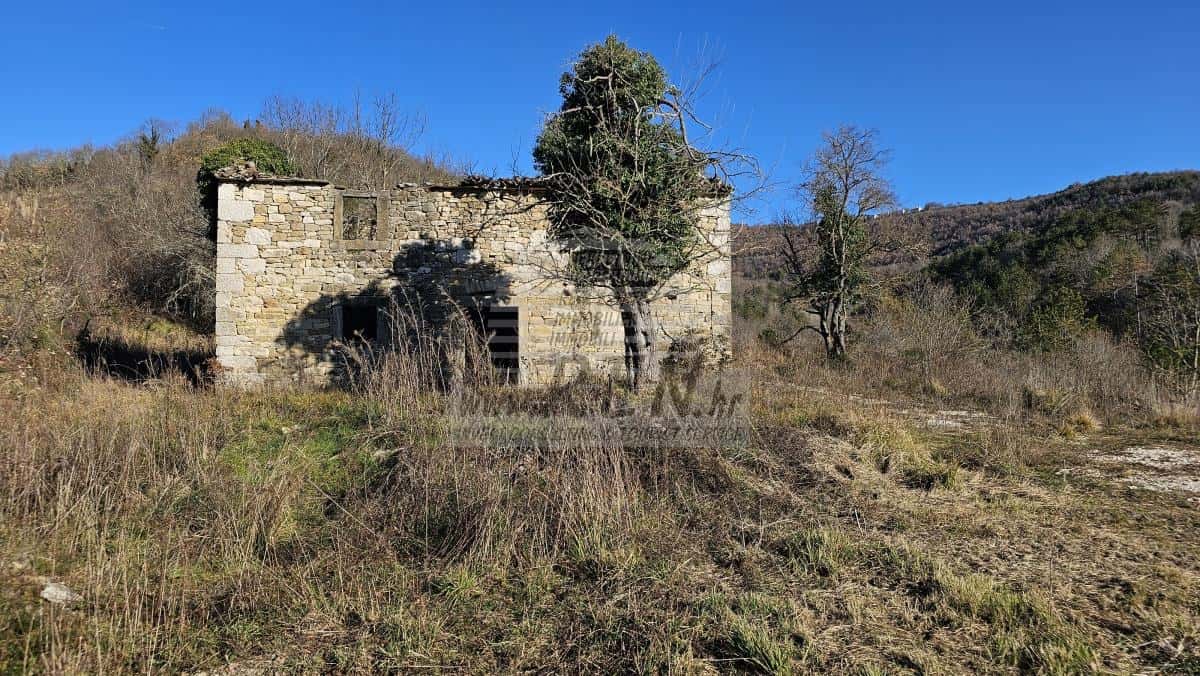
Buje
€199,000
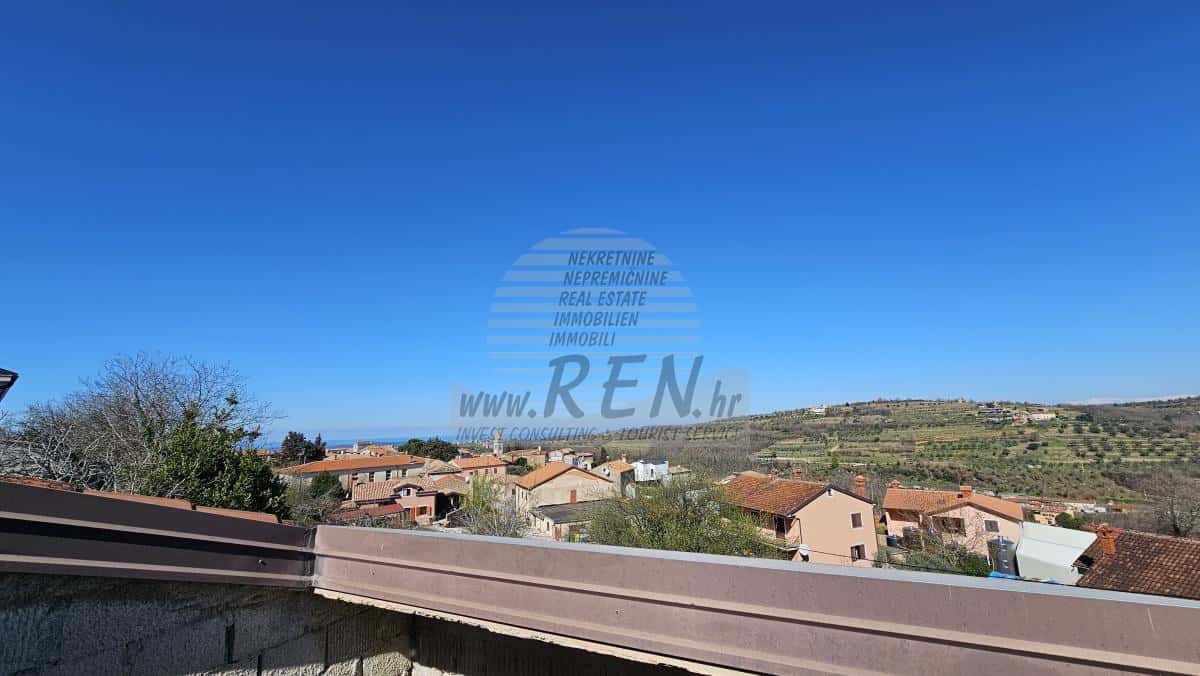
Buje
€270,000
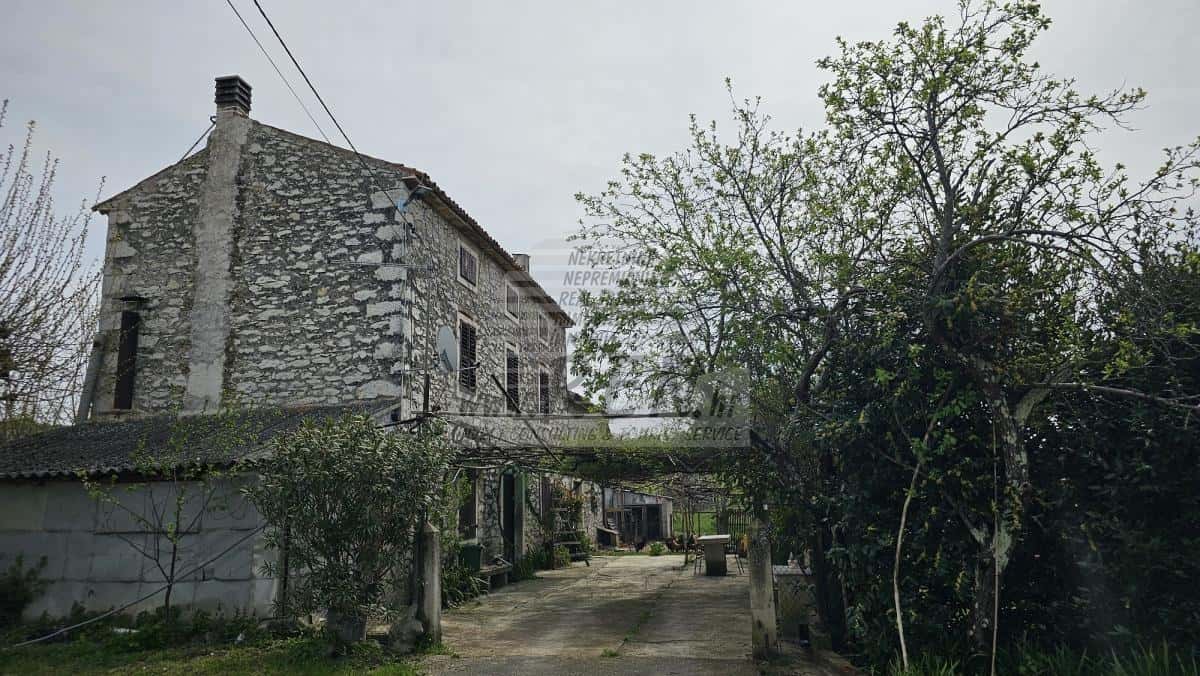
Buje
€395,000
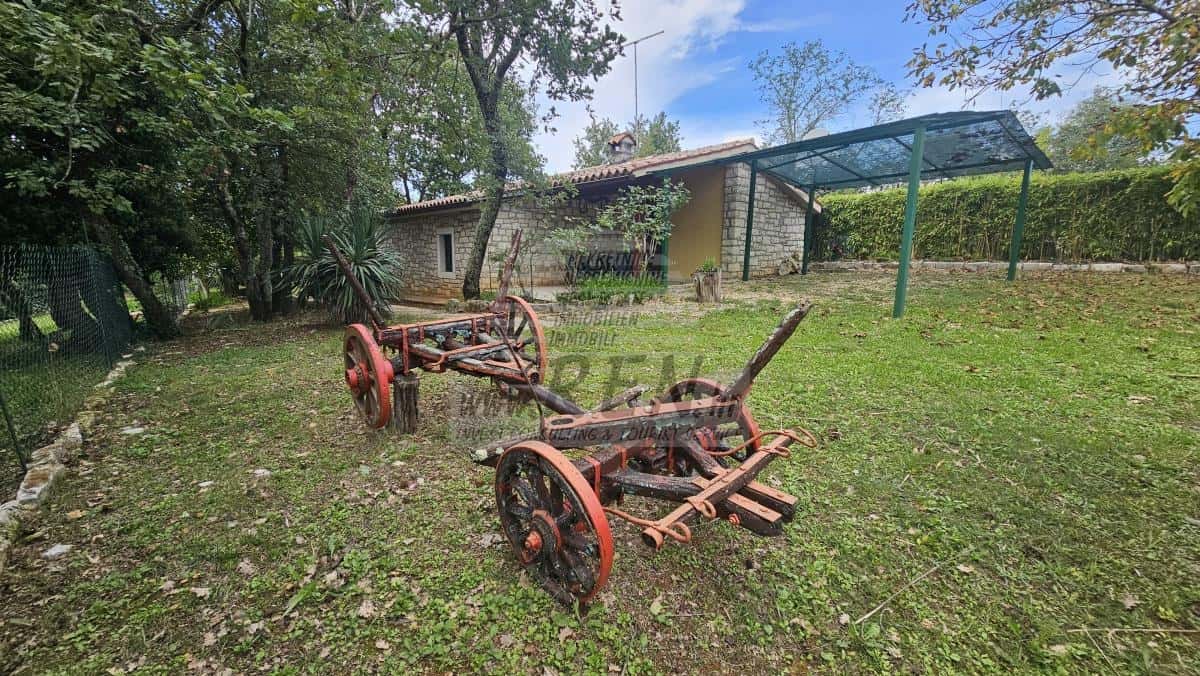
Buje
€270,000
Buje sits on a hill in north-western Istria, surrounded by vineyards and olive groves. Its historic old town and rural setting shape the local property market, which can include town-centre homes, traditional stone houses, villas and plots in nearby villages.
Buying property in Buje offers a quieter alternative to Istria’s coastal towns, while Umag, Novigrad and the Adriatic coast are reachable by car. Compare current listings by location, condition and property type, and have ownership, building and cadastral documents checked by a qualified professional before purchase.
The right property in Buje depends on whether you are looking for a permanent home, a holiday house or land in the Istrian hinterland. Listings shown here come from current adverts; confirm features, permitted use and purchase terms directly with the advertiser.
Citizens of EU member states can generally purchase property in Croatia under the same conditions as Croatian citizens. Swiss citizens may face additional requirements under reciprocity rules. Ask a Croatian lawyer to review your circumstances before you buy.
Commission-free means that the buyer does not pay an agency fee. This is usually the case with new build properties purchased directly from developers or in direct sales by private owners.
A 3% real estate transfer tax generally applies to resale properties in Croatia; a new-build purchase may have different VAT treatment depending on the seller and contract. These are national rules, not a city-specific rate. Recurring municipal charges and holiday-rental requirements can depend on the municipality, address and intended use. Listings around Buje include areas such as Altstadt, Krasica, Momjan. For a specific address, request current charges and permitted-use requirements from the relevant city authority, and have the tax treatment reviewed by an independent adviser.
Typical steps include obtaining a Croatian tax number (OIB), checking land registry, cadastral and building documents, signing a preliminary agreement and then the purchase contract, followed by registering ownership. An independent legal review is recommended before paying a deposit.
Holiday rentals may require registration with the relevant authority, property categorisation, guest reporting and payment of tourism and tax obligations. Rules can change, so check current requirements with the responsible authority or a tax adviser before you buy.
Buyers often use their own funds or arrange financing through a bank in their home country. Croatian banks may offer mortgages to non-residents subject to their own eligibility requirements. Discuss financing with your bank before signing a preliminary agreement.